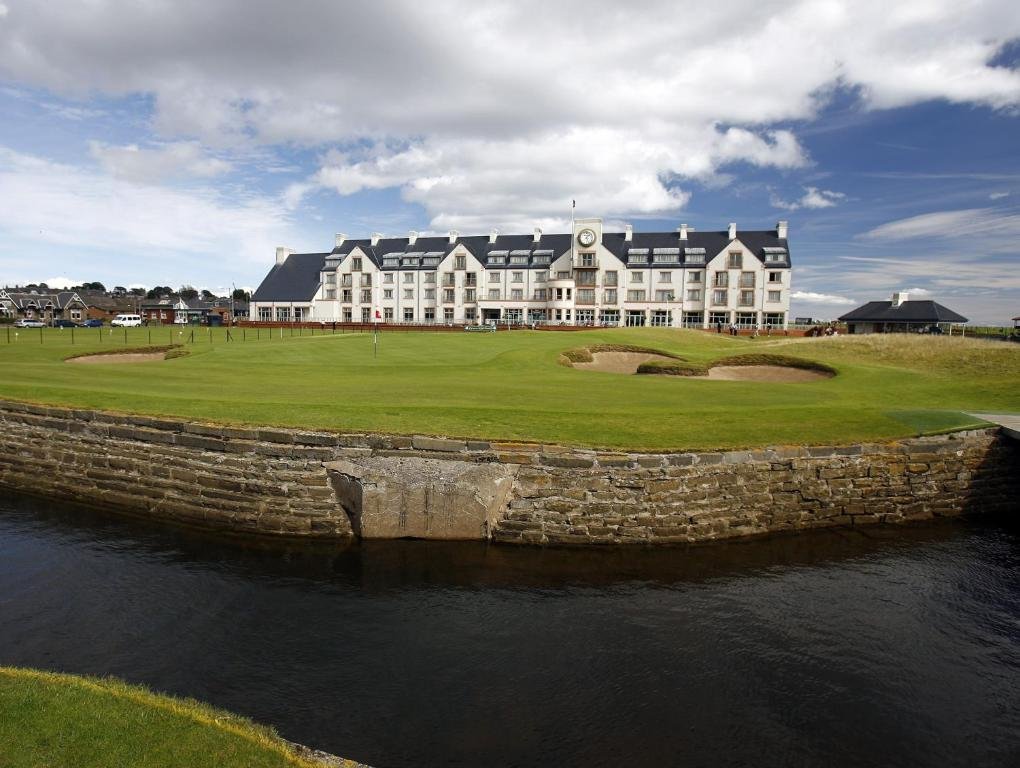
Is Carnoustie really Scotland’s toughest course?
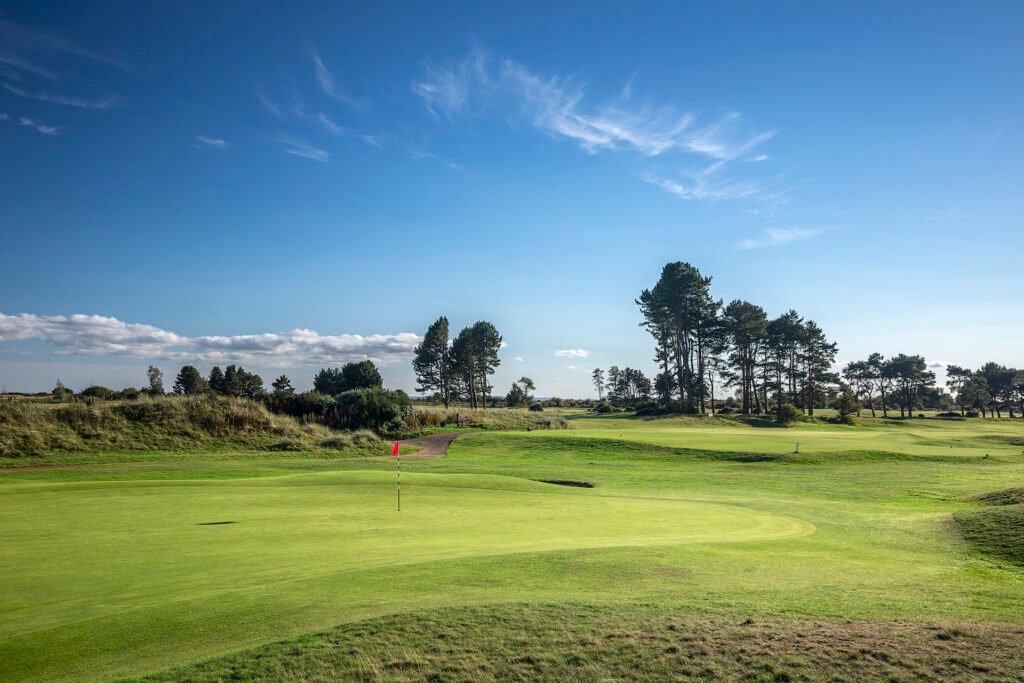
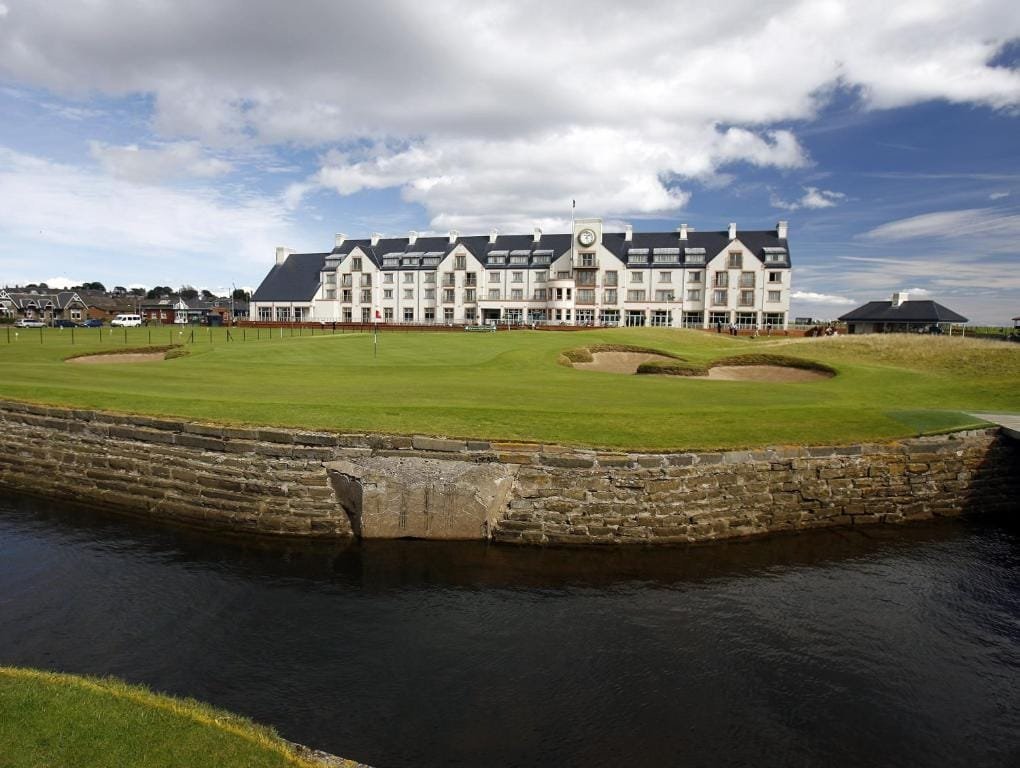
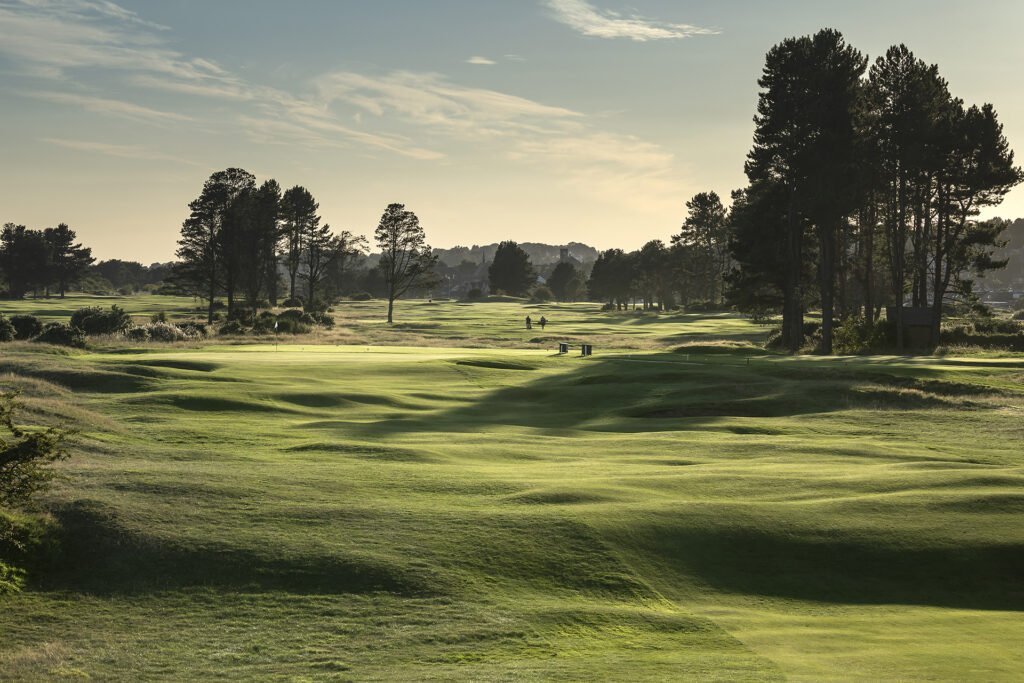
Carnoustie consistently ranks among Scotland’s most challenging courses through strategic design rather than pure length. The Barry Burn’s multiple crossings create constant pressure, while deep bunkers and thick rough severely penalise wayward shots. Wind exposure adds significant difficulty. From back tees, Carnoustie tests championship players severely; from forward markers, it challenges recreational golfers fairly.
Can average golfers enjoy Carnoustie?
Absolutely, though appropriate expectations matter. Forward tees reduce length substantially, making holes playable. The challenge and historical significance create memorable experiences regardless of scores. Playing where open spaces were decided provides thrills even when shooting high numbers. We recommend playing Burnside first to familiarise yourself with the links conditions before tackling the Championship Course.
What other courses complement Carnoustie?
Monifieth Medal and Ashludie courses sit immediately adjacent, providing excellent links golf with less severe challenges. Panmure offers a traditional Old Tom Morris design when visitor access is available. Arbroath and Montrose extend coastal golf exploration north. These courses create comprehensive Angus experiences beyond Carnoustie.
How does Carnoustie compare to other Open venues?
Carnoustie generally ranks as the most difficult regular Open venue through strategic design and Barry Burn pressure. Royal Troon and Turnberry provide more dramatic scenery, while St Andrews delivers greater historical significance. Carnoustie offers a pure championship golf challenge without pretension; the course’s reputation comes purely from difficulty and quality.
What’s the best time to visit Dundee?
May through September provides the most reliable weather and the longest daylight. Carnoustie’s coastal exposure creates variable conditions year-round. The courses drain excellently, allowing play through Scottish winters, though shortened daylight limits rounds. Summer brings the firmest conditions ideal for links golf but also the strongest winds.
Is Dundee worth visiting beyond golf?
Dundee transformed dramatically through waterfront regeneration and the V&A museum opening. The city now offers excellent cultural attractions, dining, and architecture alongside championship golf. For breaks combining golf with cultural experiences, Dundee provides a unique Scottish destination beyond a pure golf focus.
What accommodation suits Dundee breaks?
Hotel du Vin Carnoustie provides boutique luxury immediately beside the championship course with walking access. Dundee city hotels offer contemporary comfort with waterfront views and cultural attraction proximity. We recommend Carnoustie accommodation for pure golf focus or Dundee hotels for cultural variety and evening dining options.
Are caddies recommended at Carnoustie?
Caddies prove invaluable at Carnoustie, where strategic decisions and local knowledge dramatically affect scores. Understanding Barry Burn’s exact crossing points, hidden bunker locations, and green breaks prevents unnecessary penalty strokes. First-time Carnoustie visitors should strongly consider caddies. Advance booking essential. Fees are around £70-90 plus gratuity.
Can Dundee combine with other regions?
Dundee sits centrally between St Andrews (thirty minutes south) and Aberdeen (ninety minutes north). Popular itineraries combine Fife’s St Andrews pilgrimage with the Carnoustie challenge and Aberdeen’s northeast coast. The regions showcase Scottish links’ diversity within comfortable travel distances.
How many days should I spend in Dundee?
Three days allow a comprehensive Carnoustie experience with multiple rounds of the Championship Course, the Burnside and Buddon courses, Monifieth or Panmure, plus V&A museum and waterfront exploration. Dundee works excellently as a component of broader Scottish golf tours rather than a week-long exclusive destination, given the limited course variety compared to Fife or Ayrshire.