What makes Highland golf breaks special?
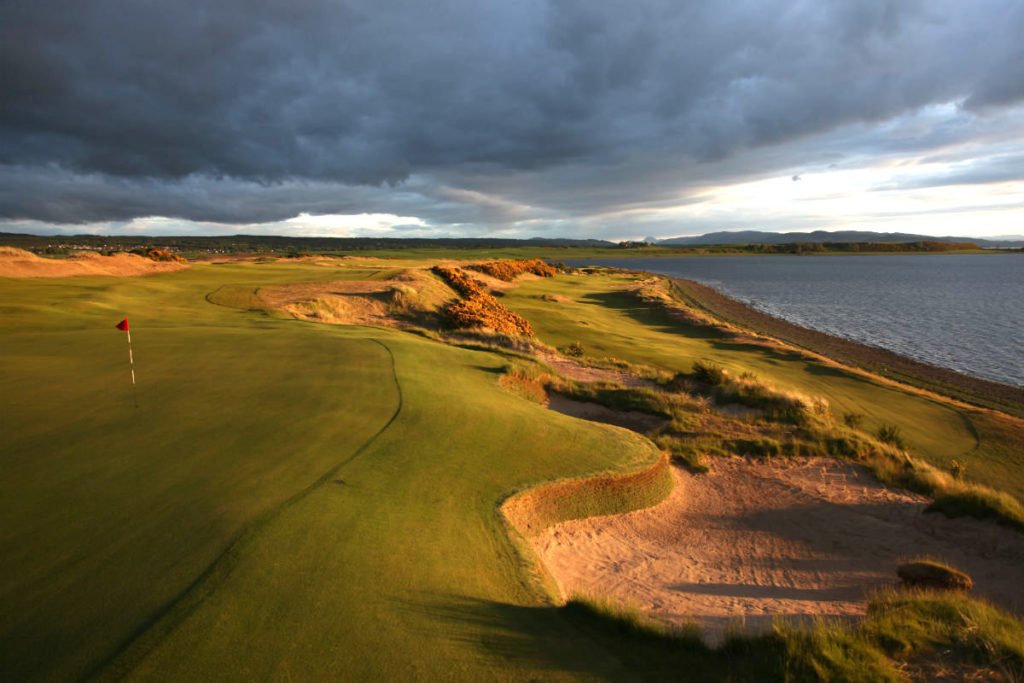
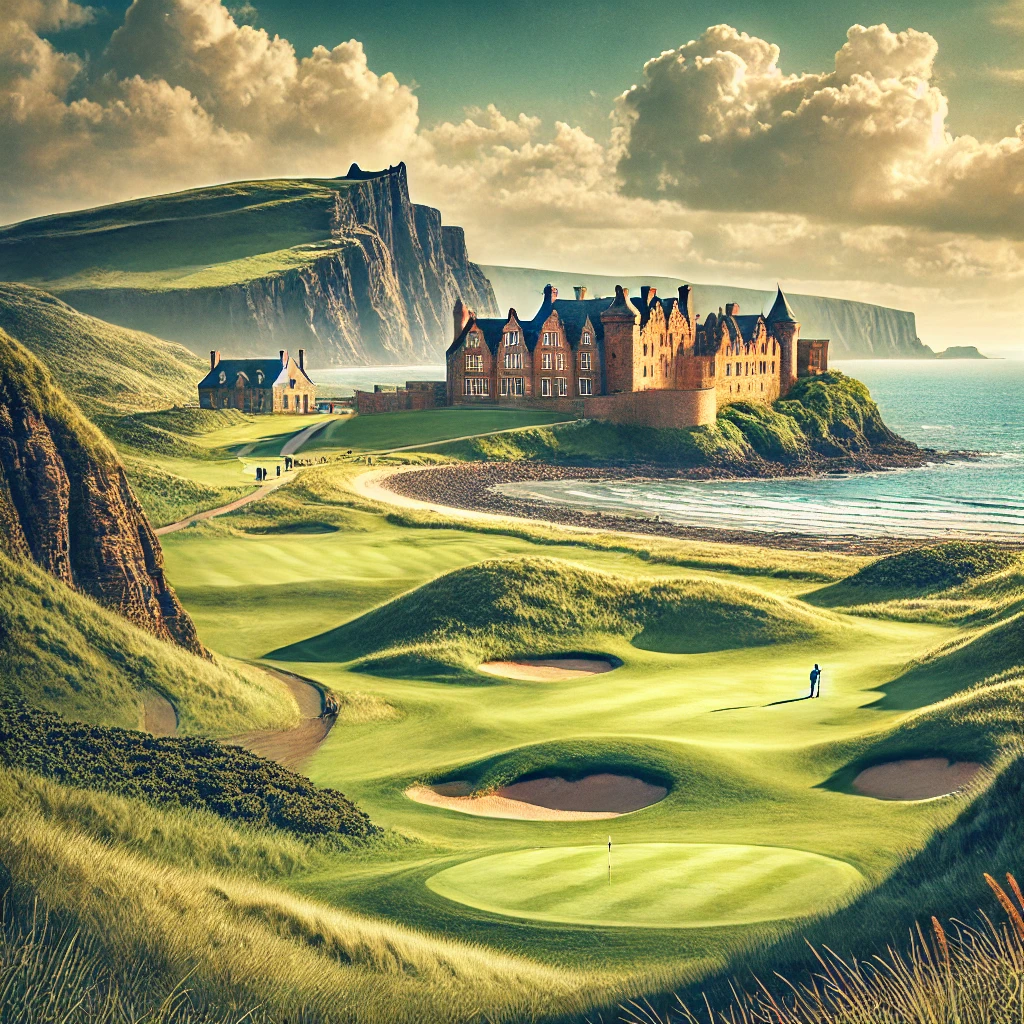
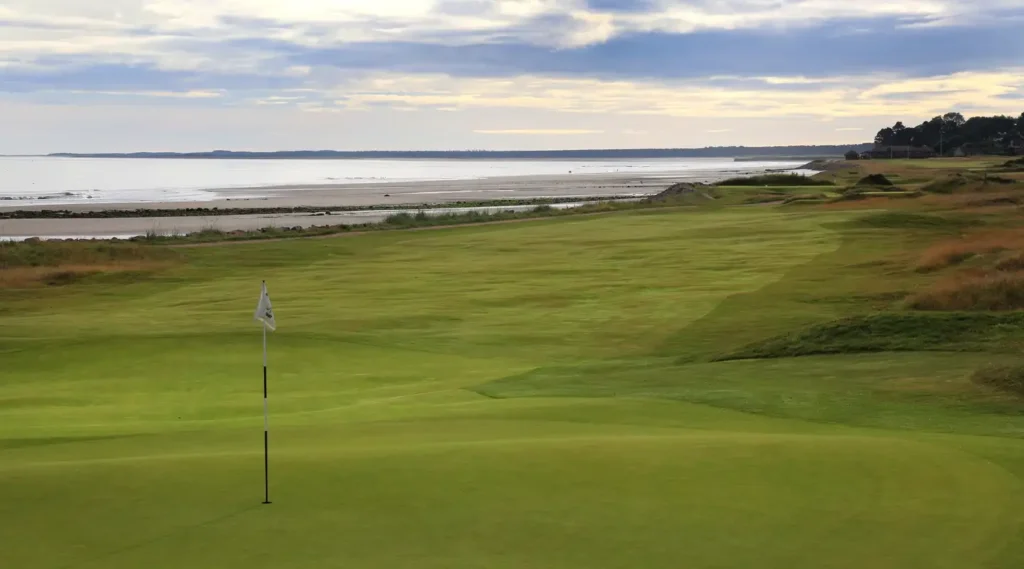
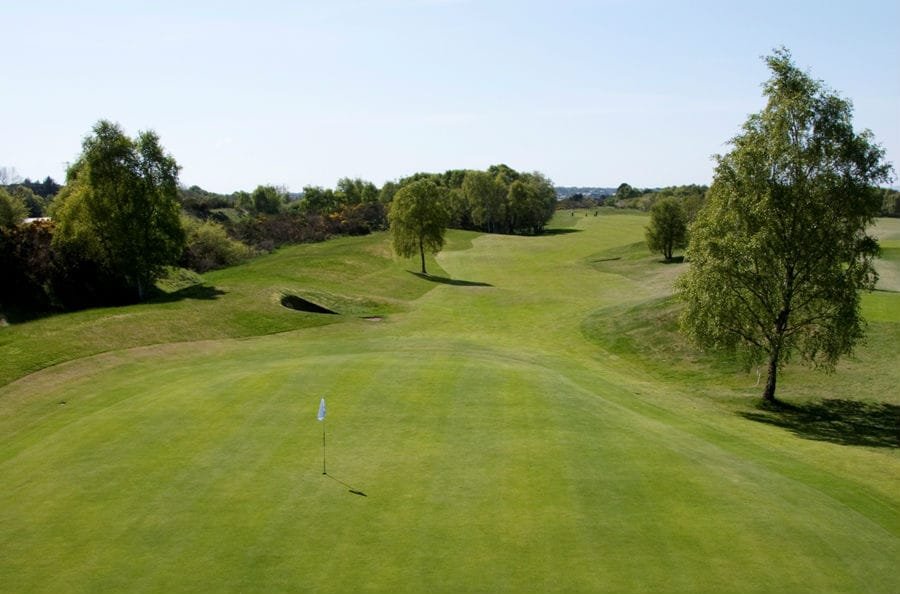
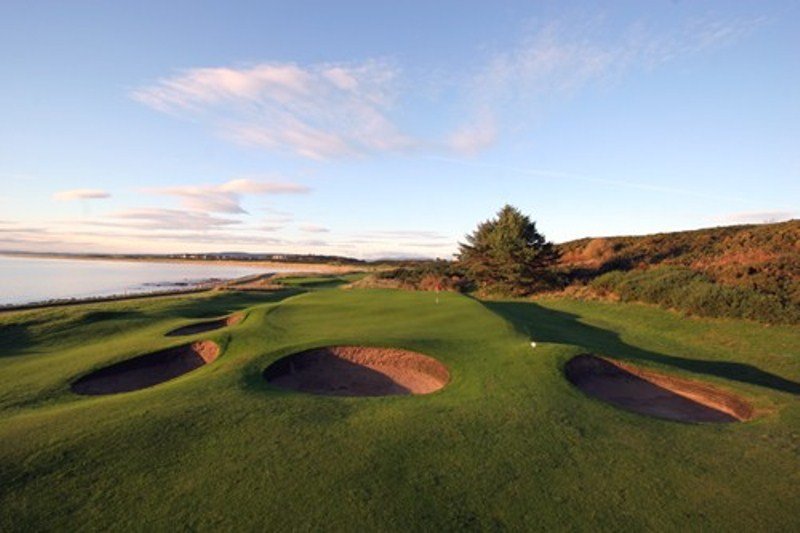
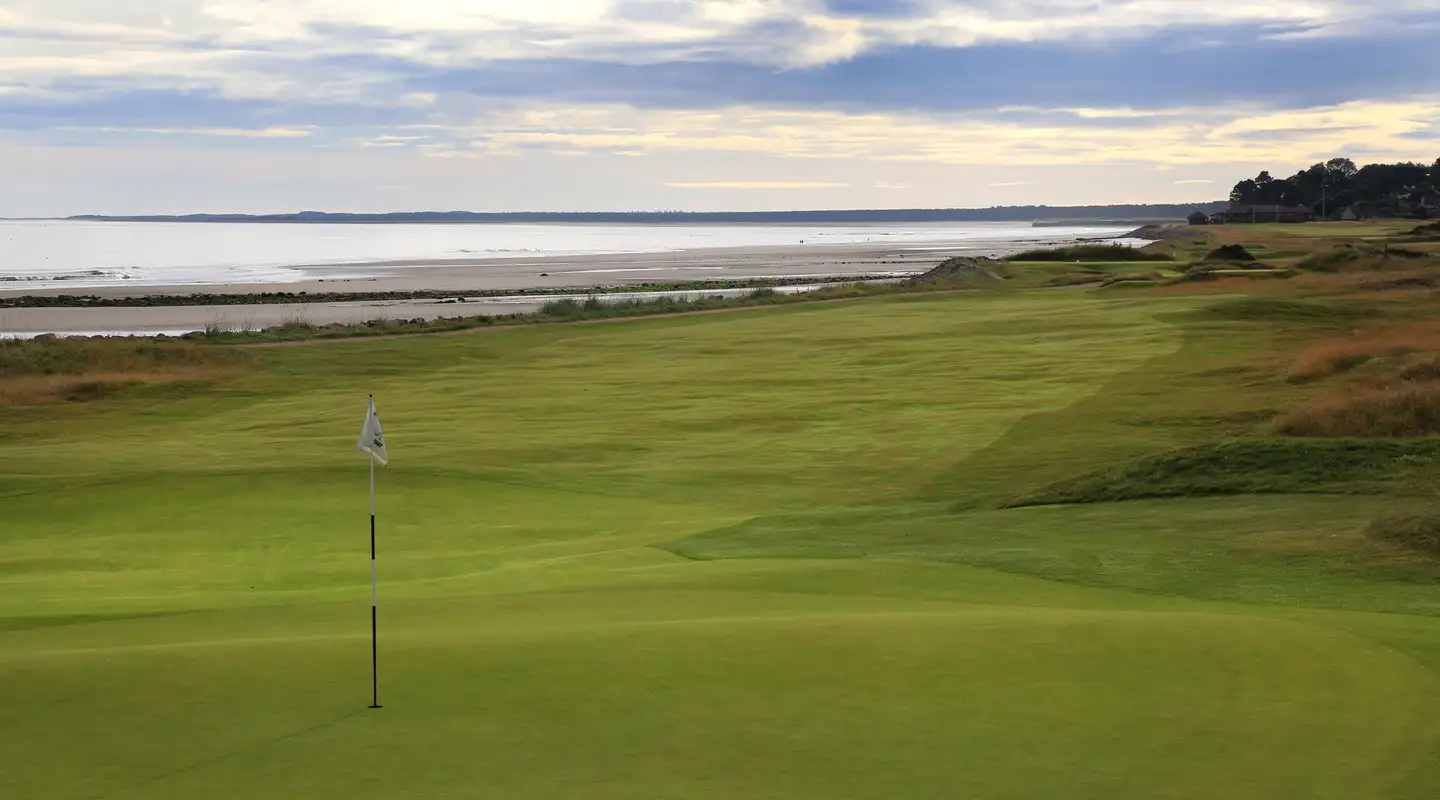
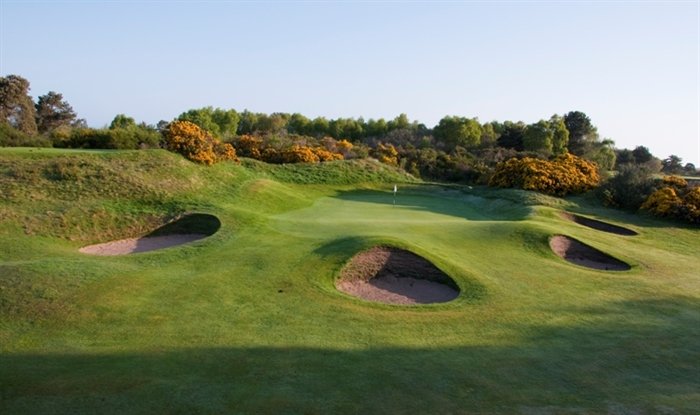
Highland breaks combine world-class golf with Scotland’s most dramatic scenery and wild landscapes. Royal Dornoch ranks among the world’s finest courses, while the region’s remote character creates authentic experiences away from tourism development. Combining championship golf with Speyside whisky tours and Highland wilderness exploration creates unique Scottish experiences.
How do you reach Highland golf courses?
Inverness Airport provides Highland access with direct flights from London, Edinburgh, and Manchester. Castle Stuart sits fifteen minutes from the airport, while Nairn is thirty minutes. Royal Dornoch requires an additional ninety-minute drive north. We provide private chauffeur service from the airport through the entire Highland break.
Is Royal Dornoch difficult for average golfers?
Royal Dornoch offers multiple tee positions, making the course playable for recreational golfers from forward markers. The course rewards strategic thinking over pure power. While challenging, Dornoch remains fair with wide fairways allowing recovery from wayward shots. We recommend appropriate tees based on ability.
What’s the best time to visit the Highlands for golf?
May through September provides the most reliable weather and the longest daylight. Highland weather patterns create more variable conditions than those in southern Scotland. June and July offer eighteen-plus hours of daylight, allowing extended rounds. Spring and autumn provide excellent conditions with fewer midges, though midges become an issue in July-August around dawn and dusk.
Can Highland breaks combine golf with whisky tours?
Absolutely. Speyside, Scotland’s premier whisky region, sits ninety minutes from Inverness. We integrate distillery tours at Glenfiddich, Macallan, Balvenie, and others into Highland breaks. Golf days alternate with whisky exploration, creating balanced experiences combining Scotland’s two greatest traditions.
How does Royal Dornoch compare to St Andrews?
Both rank among the world’s greatest courses but offer different experiences. St Andrews provides more historical significance and pilgrimage atmosphere, while Dornoch delivers more dramatic duneland terrain and a remote character. Many golfers find Dornoch more naturally beautiful, while St Andrews holds greater historical weight. Both are essential Scottish golf experiences.
What accommodation options suit Highland breaks?
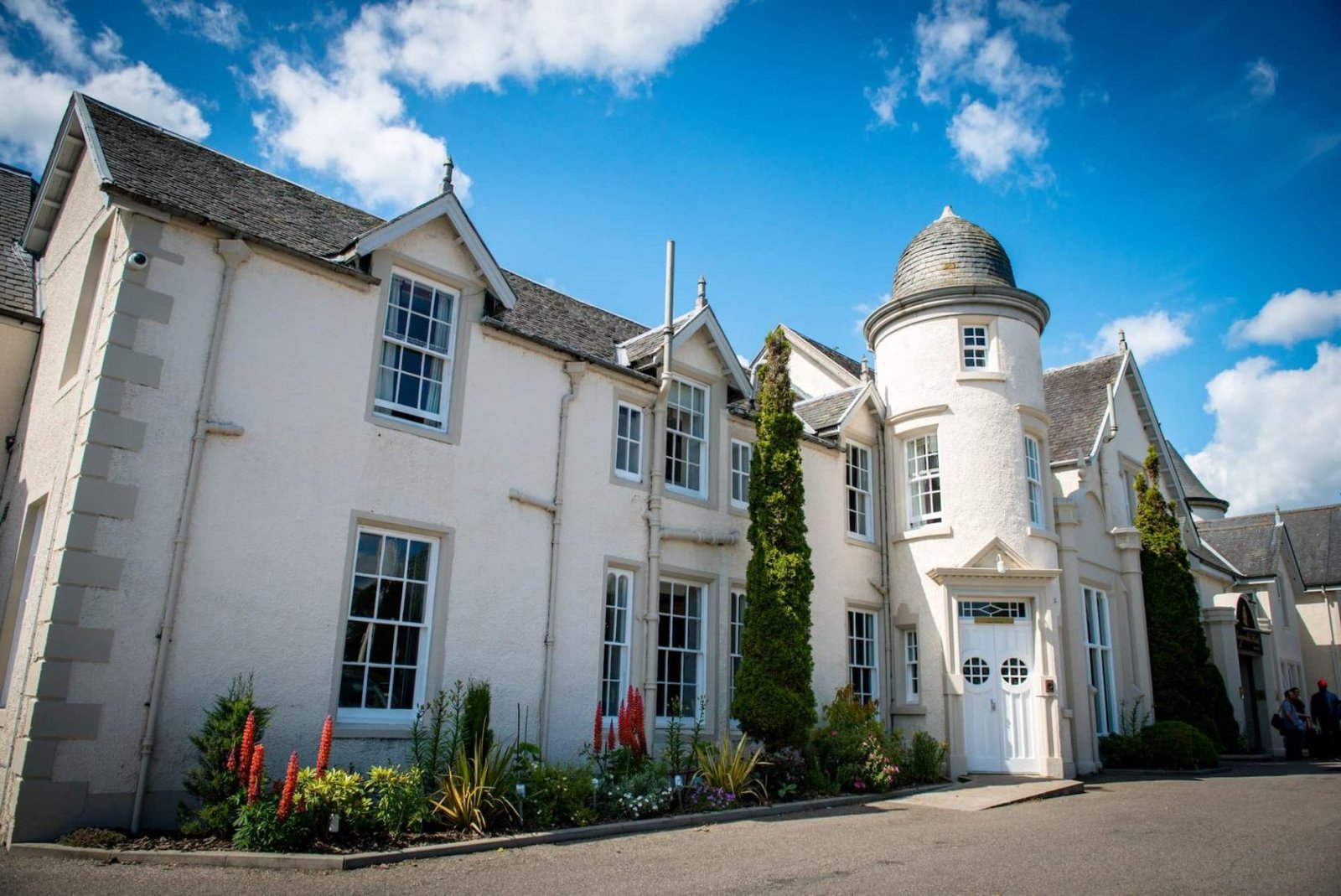
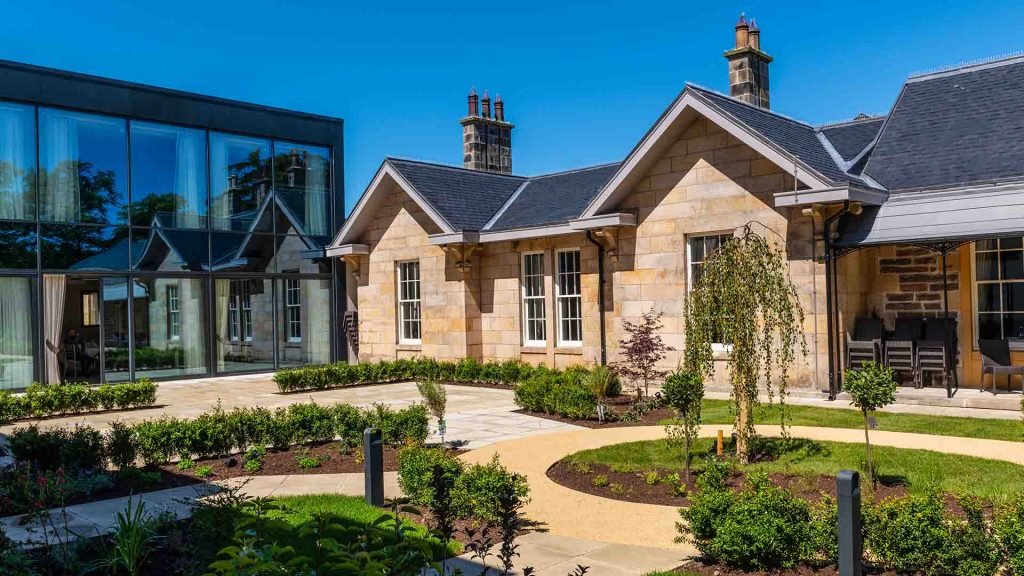
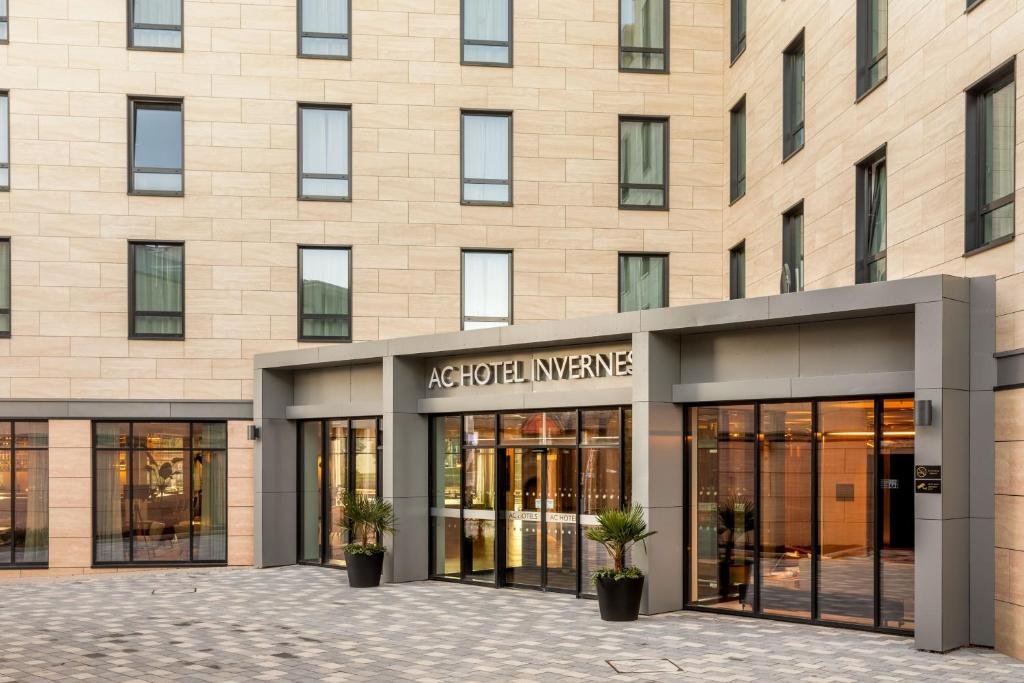
Inverness provides luxury hotels and excellent dining with easy access to Castle Stuart. Dornoch offers charming guesthouses and the Carnegie Clubhouse, with Royal Dornoch immediately accessible. Nairn provides a coastal town atmosphere. We recommend Inverness for amenities or Dornoch for golf immersion, depending on priorities.
Are caddies available at Highland courses?
Caddies can be arranged at Royal Dornoch and Castle Stuart, highly recommended for first-time visitors. Local knowledge about wind patterns, hidden breaks, and strategic options proves invaluable, especially at Royal Dornoch, where subtle terrain features deceive unfamiliar players. Booking essential. Fees range from £60 to £100 plus gratuity.
Can you arrange multi-region breaks, including the Highlands?
Highland breaks combine well with other Scottish regions despite the distances. Popular routes include flying into Edinburgh, playing East Lothian or St Andrews courses, then driving north through the Highlands to Inverness, finishing at Royal Dornoch before flying home. This creates a a comprehensive Scottish golf journey.
What non-golf activities complement Highland breaks?
Highland breaks offer exceptional non-golf options: Loch Ness boat tours and Urquhart Castle, Speyside whisky distillery tours and tastings, Cairngorms National Park hiking and wildlife viewing, Cawdor Castle and Culloden battlefield historical sites, and Highland estate experiences including fishing and shooting.